Frozen Car Lock? Compare Heat, Lubricant, and Calling a Locksmith
When Your Car Key Won't Turn
A frozen car lock can stop you cold. You insert the key, it goes in partway, then nothing. The cylinder is seized, the key won't budge, and you are standing in the cold wondering what to do. Three common approaches come to mind: apply heat, use a lubricant, or call a locksmith. Each has its place, and the best choice depends on the situation. Understanding how each method works and when it works can save you time, frustration, and possibly a repair bill.
Why Locks Freeze
Moisture is the main culprit. When water gets into the lock cylinder and temperatures drop below freezing, that water turns to ice. The ice expands, jamming the internal pins and springs so the key cannot turn. Condensation inside the lock, melted snow dripping in, or even breath moisture can cause the problem. The same thing can happen to door locks, but car locks are exposed to road spray and weather more directly. A frozen lock is a mechanical blockage, not a broken lock, so the fix is to remove the ice without damaging the lock or the key.
Applying Heat: Pros and Cons
Heat is the most direct solution. Warm up the metal around the lock cylinder and the ice melts. The key should then slide in and turn freely. There are safe ways to apply heat and unsafe ones.
Safe Heat Sources
A hair dryer or heat gun on a low setting aimed at the keyhole for a minute or two can do the job. The warm air gradually warms the metal and the ice inside. A lighter held near the key tip (not in the lock) can also work if you are careful, but the key gets hot quickly and you risk burning yourself. Another trick is to warm the key itself with a lighter or warm breath, then insert it. The heat transfers to the lock interior. None of these methods require special equipment beyond what most people have at home.
Risks of Heat
Too much heat can damage the lock's plastic components, the wiring near the steering column, or the key's rubber head if it has one. Boiling water is a bad idea: it can run into areas you cannot see and refreeze, or damage electronics. Open flames near the car's fuel system or wiring are dangerous. Heat works best when applied gently and briefly. If the lock does not free up after a minute of warming, stop and try another method.
Using Lubricant: What Works and What Doesn't
Lubricant is often the first thing people reach for. A squirt of WD-40 or a graphite powder spray seems like an easy fix. But not all lubricants are good for locks, and some can make the problem worse.
Lubricants That Help
Graphite powder is a dry lubricant that does not attract dirt or gum up in cold weather. It can help a stiff lock move more freely. Silicone spray is another option; it stays liquid in very low temperatures and repels moisture. A lock-specific deicer or lubricant, often sold at auto parts stores, is formulated to melt ice and leave a protective film. These products work best when the lock is not already frozen solid. If the cylinder is packed with ice, lubricant alone may not reach the frozen parts.
Lubricants to Avoid
Oil-based sprays like standard WD-40 are not true lubricants for locks. They can dissolve the existing grease inside the cylinder and then evaporate, leaving the lock dry. In cold weather, oil-based products can thicken and actually make the lock stiffer. They also attract dust and grit over time, leading to more jams. A frozen lock is a moisture problem, not a friction problem, so grease or oil is rarely the answer.
Calling a Locksmith: The Professional Option
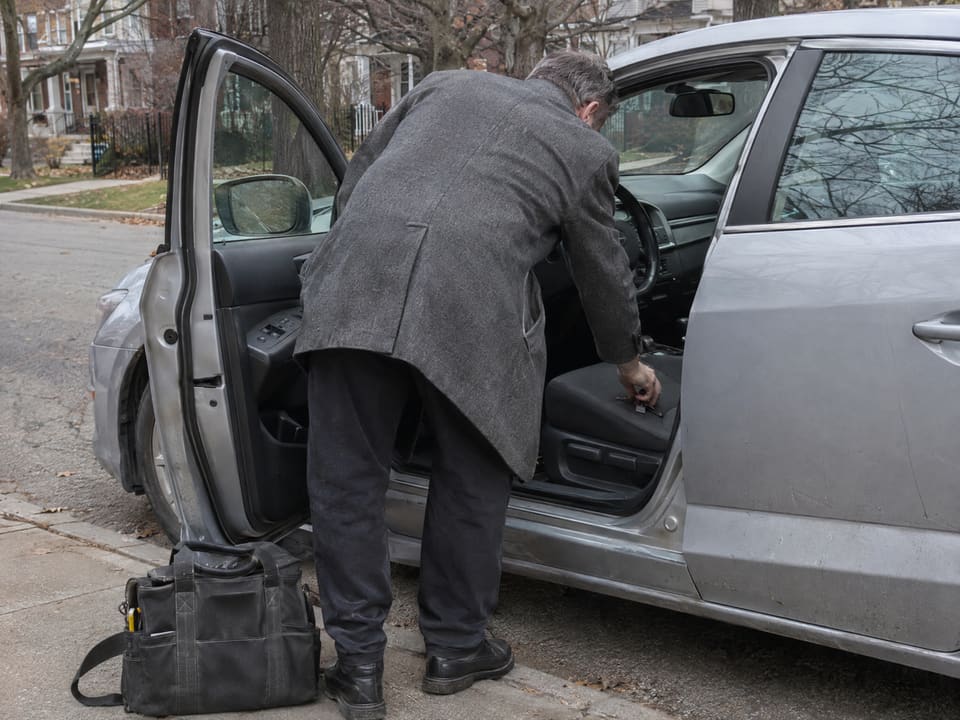
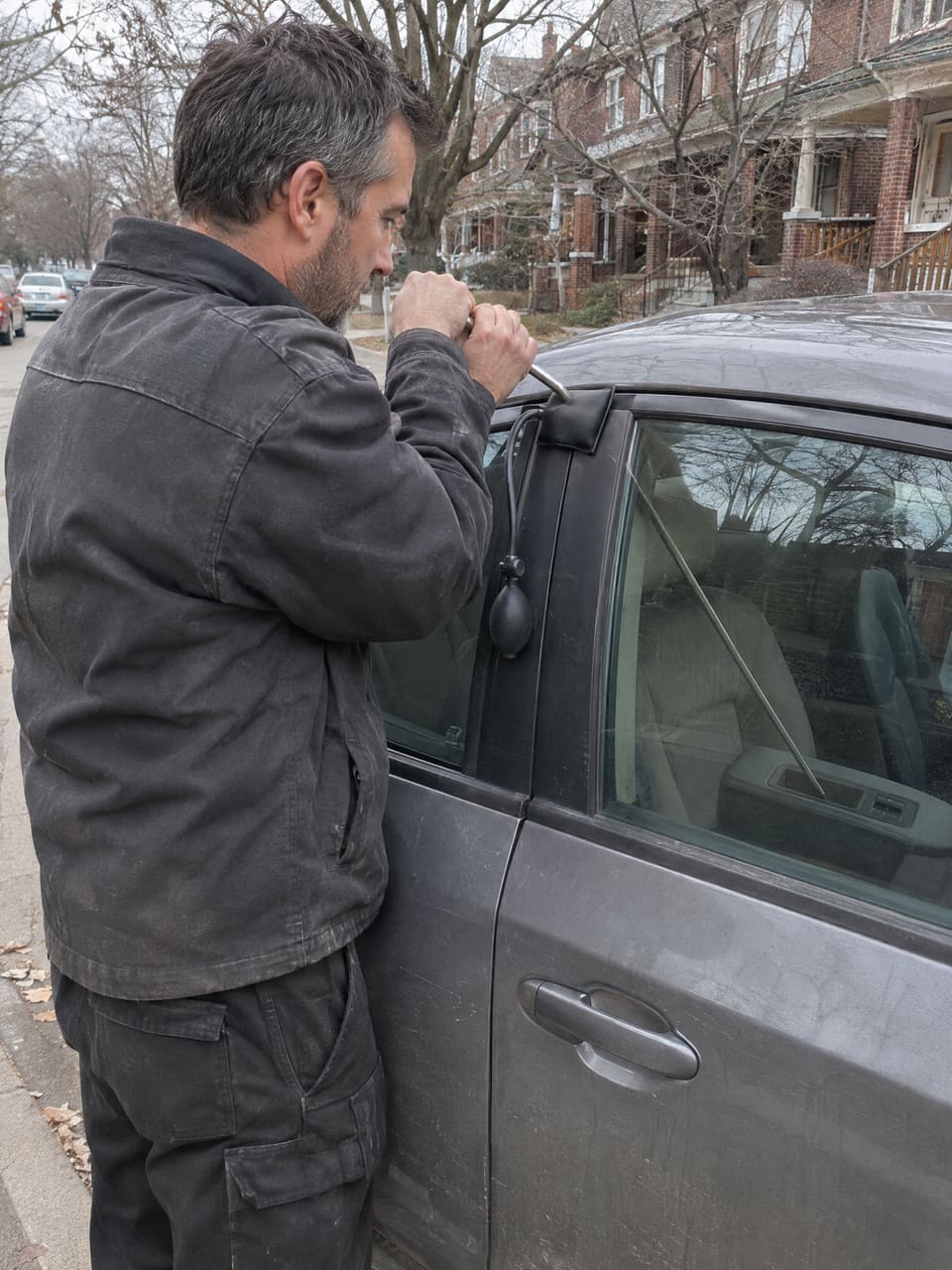
When heat and lubricant do not work, or when you are worried about damaging the lock, a mobile locksmith is the safest route. A car locksmith deals with frozen locks regularly and has tools designed for the job. They can apply controlled heat, use lock-specific deicers, or disassemble the cylinder if needed. They also have extraction tools for cases where the key breaks off inside the lock, which is a real risk when forcing a frozen lock.
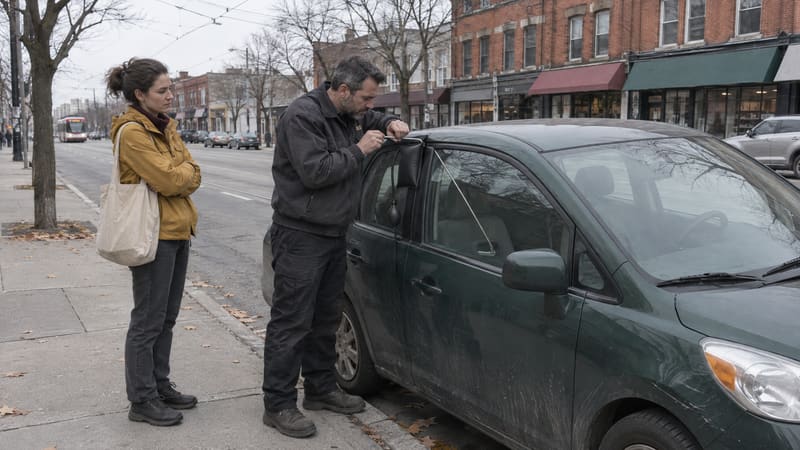
One of the main benefits of calling a locksmith is that they can fix the problem without damaging the ignition cylinder. Replacing an ignition lock cylinder can be expensive and time-consuming. A professional can also check if the lock has other issues, such as worn pins or a misaligned cylinder, that might cause it to freeze more easily in the future. For a driver in Toronto, where winters are cold and wet, having a reliable locksmith contact can be a good idea.
When to Choose Each Option
The decision often comes down to how stuck the lock is and what you have on hand. Here is a simple way to think about it:
- If the key goes in but will not turn, try a hair dryer or a warm key first. This is the simplest fix and usually works if the ice is light.
- If the key will not go in at all, the lock may be packed with ice. Apply gentle heat for a minute. If that fails, a lock deicer spray can melt the ice. Avoid forcing the key.
- If you have tried heat and lubricant and the lock still will not move, stop. Forcing it can break the key or damage the cylinder. Call a locksmith.
- If the key breaks off inside the lock, do not try to dig it out with random tools. A locksmith has key extraction tools and can handle removing a broken ignition key without damaging the cylinder.
- If the lock freezes repeatedly, consider having a locksmith inspect the cylinder. There may be worn parts that let in moisture, or the weather seal may be damaged.
Preventive Measures for Next Time
Once you have dealt with a frozen lock, you might want to avoid repeating the experience. A few simple habits can help. Keep your car key dry; if it gets wet, dry it off before inserting it. A small amount of graphite powder applied to the key and inserted a few times can help keep the lock dry and moving. Parking in a garage or using a windshield cover can reduce the amount of snow that melts and runs into the door and lock area. Some drivers use a lock deicer spray before a freeze as a preventative measure rather than a cure.
Another tip: if you use a remote key fob, remember that the battery can die in cold weather. A dead key fob will not open the door or start the car, even if the lock is not frozen. That is a different problem, but it can feel the same. If your key turns but the car does not start, check the fob battery before assuming the lock is frozen.
Final Thoughts
A frozen car lock is a common winter annoyance, but it does not have to ruin your day. Heat, lubricant, and a locksmith each have their place. For a light freeze, a few seconds of warmth from a hair dryer or a heated key can do the trick. For a stubborn lock, a deicer spray may work. But if the lock is jammed tight, or if you are dealing with a broken key inside the cylinder, a professional locksmith is the best choice. They have the tools and experience to handle the situation without causing more damage. Knowing the limits of each method can help you decide quickly and get back on the road with minimal hassle.
In the middle of a Toronto winter, being prepared can make all the difference. A small can of lock deicer in your glove box and the number of a reliable mobile locksmith in your phone are simple precautions that can save you a lot of trouble. And if you ever find yourself with a broken key stuck in the ignition, remember that a locksmith's key extraction service is designed for exactly that scenario. They specialize in removing a broken ignition key without harming the lock, so you can get back to driving without a costly repair.